INTRODUCTION TO ONLINE LEARNING & RESTAURANT REALITIES
13 hours
This course is designed to familiarize students with best practices for success in our online programs and in the restaurant industry. Topics include learning management system use, internet research, time management and expectations within the food service industry.
CULINARY FUNDAMENTALS
90 hours
Focusing on fundamental culinary techniques and criteria for selecting quality ingredients, this course offers an introduction to the foundation for preparing health-supportive, whole-foods cuisine. We will also teach stock, soup and sauce preparations. Course highlights:
- Herb Grilled Vegetable Panini with Homemade Potato Chips
- Caramel Braised Belgian Endive with Sage
- Red Wine Poached Pears with Spice Fruit Compote
HEALTH-CENTERED COOKING TECHNIQUES 1
60 hours
In this course, we continue your education on plant-forward cuisine to include a variety of whole foods and share innovative ways to work with vegetables. This course puts plants at the center of the plate and makes them the star of the show. Course highlights:
- Miso Soup with Soft Tofu, Soba Noodles, and Baby Bok Choy
- English Pea Crostini with Mint and Pea Shoots
- House Fermented Sauerkraut, Kimchee, Miso, and Mango-Hot Sauce
HEALTH-CENTERED COOKING TECHNIQUES 2
60 hours
In this course we teach how protein sources come in a variety of forms – both plant-based and animal-sourced. Students prepare plant-based dairy alternatives, make fresh seitan, and apply basic culinary techniques to a range of vegetable groups including roots, shoots, pods, and bulbs. Students also explore the health benefits of high protein foods and create protein-rich meals. Course highlights:
- Dashi Braised Chicken with Japanese Sweet Potato, Carrot, Turnip, Shiitake, and Ginger
- Pan Seared Day-Boat Scallops with Roasted Maitake Mushrooms, Sautéed Mustard Greens, and Yuzu Hollandaise with Salmon Roe
- Wakame, Cucumber, Asian Pear, and Citrus Salad with Toasted Sesame Seeds
HEALTH-CENTERED COOKING TECHNIQUES 3
60 hours
In this course, you will apply your growing command of health-centered techniques to new protein sources, receiving instruction in the preparation of soy foods and eggs. Students will also work with chicken, fish, shellfish, and store-bought protein alternatives. Course highlights:
- Buffalo-Style Cauliflower with Pumpkin Seed ‘Blue Cheese’ Dip
- Pan Seared King Oyster Mushroom, Shallot Pan Sauce, Sautéed Swiss Chard, and Pommes Darphin
- Smoked Tea Leaf Brined Tempeh Reuben Sandwich with House-Fermented Sauerkraut, Cashew ‘Gruyere Cheese’ Spread, and Vegan Russian Dressing
INTRODUCTION TO PASTRY & BAKING
90 hours
Baking and desserts can benefit from incorporating more natural, unprocessed and whole ingredients. In this course, students prepare foods that meet special dietary needs, such as vegan, wheat-free, gluten-free, and dairy-free. We explore the science of baking; convert conventional baking recipes to alternatives (without sacrificing taste or texture); and focus on yeasted breads, quick breads, pizza and focaccia. Course highlights:
- Aquafaba Meringue Pavlova with Vegan Crème Anglaise and Berries
- Vegan Ginger-Lemongrass Ice Cream
- Pizza, Focaccia, and Bagels
RESTAURANT SKILLS
60 hours
Cooking in restaurants involves learning everything from the preparation of breakfasts, sandwiches and hors d’oeuvres, to cooking for special diets, allergies and restrictions. In this course, we teach adaptive culinary skills that aid in servicing customers with unique food requirements.
INTERNATIONAL CUISINES
60 hours
This course explores food and specialty dishes from Asia, the Americas, the Middle East, Europe and Africa, noting that cuisine within and across geographies varies among cultures, cities and even households. We encourage exploring international cuisine with cultural competence and humility. Course highlights:
- Spanakopita and Grilled Cucumber Salad
- Vegan Tamales with Mole Negro and Guacamole
- African Peanut Stew with Key sir (Ethiopian Beet Salad), Gomen Wat (Collard Greens) and Injera
ADVANCED CULINARY TECHNIQUE
60 hours
The link between diet, lifestyle and wellness is well-established, and this course will provide perspectives on this relationship by looking at cardiovascular system health, the microbiome and detoxification systems. On the culinary side, today’s kitchens rely on innovative ideas and modern techniques to produce their signature dishes. In this course, you’ll study the methods, and flavors that master chefs are using to take food to the next level, and create enjoyable dining experiences. Course highlights:
- Truffles Portobello Mousse with Fig Preserves
- Sweet Potato Latkes with Pear-fennel Marmalade and Cashew ‘Crème Fraiche’
- ‘Bloodless Sausage’ with Pickled Pearl Onions, Mushroom Jus, and Marcona Almond Sauce
CONCEPT DEVELOPMENT AND MENU DESIGN
21 hours
This course acquaints students with the realities of a culinary business concept — from creativity to profitability. By surveying the industry, students research and assess various operational models, analyzing concepts, feasibility, and location selection. Students gain the knowledge required to develop and refine their ideas. This course also gives a comprehensive view of key aspects of the menu, including planning, pricing, layout, and design. Students prepare sample menus as a project.
FOODSERVICE FINANCE
30 hours
A working understanding of numbers is critical to culinary success. This course focuses on the use of financial statements as a decision-making tool. Topics include balance sheets, statements of net income, break-even analysis, cash flow, and financing. Budgets, industry standards and variation analyses are emphasized. Case studies are used to provide real experience.
NUTRITION AND WELLNESS
27 hours
In this introduction to the study of human nutritional needs, students examine current dietary guidelines, dietary preferences and the function of nutrients. Students will study menus and recipes to identify opportunities for modifications and optimizations of nutritional content, and they will consider how to balance trends in nutritional study with culinary and baking techniques. The course highlights the relationship between diet, health, disease and how applied nutrition can benefit both healthy and immune challenged populations.
PURCHASING AND COST CONTROL
27 hours
Strategies for purchasing and control are vital for the success of any culinary operation. This course examines labor, beverage and food costs, and revenue control. Purchasing guidelines, inventory and control, employee-performance standards, productivity and scheduling, use of point-of-sale systems, computers, and new technology are also reviewed.
COMMUNICATIONS, SOCIAL MEDIA AND PUBLIC RELATIONS
21 hours
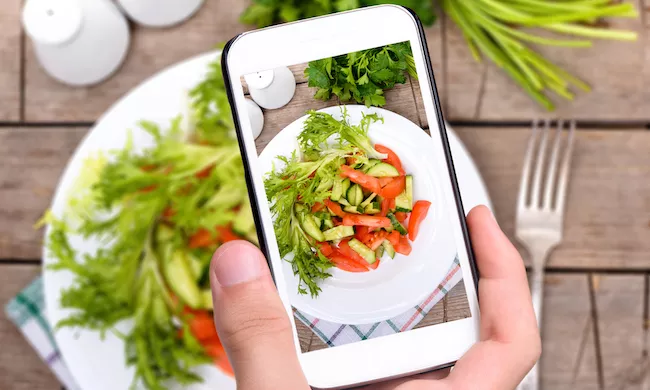
Effective communication is essential for success in all areas of food service, from management to menus. This course uses media, including reviews, blogs, Instagram reels, videos and press releases, for students to explore the relationship between restaurants, communications and public relations.
LEADERSHIP, TEAM BUILDING AND CHANGE MANAGEMENT
21 hours
Great leadership goes beyond good management and permeates a culture. This course explores ethics, leadership variables, clarity of vision, multiplying effectiveness, and employee empowerment and performance management. Additionally, students will identify their own leadership styles and consider how best to apply them to organizational improvement and team building initiatives.
EXTERNSHIP
200 hours
This is the last course in the program. Here, students have an opportunity to hone the skills they developed in a real-world setting. While ICE strongly recommends restaurant-based externships, students may request venues such as hotels, catering companies, corporate dining rooms or test kitchens in accordance with their professional goals.