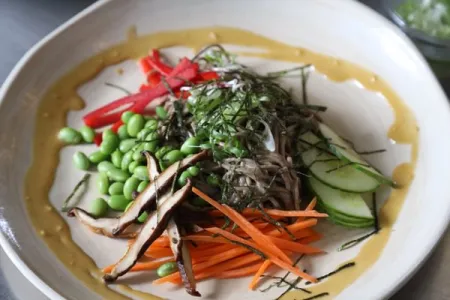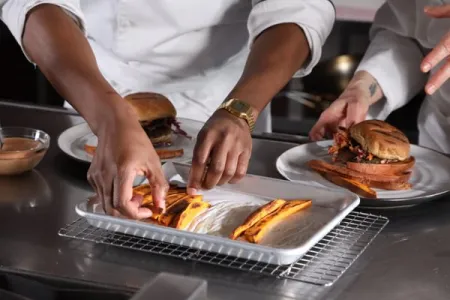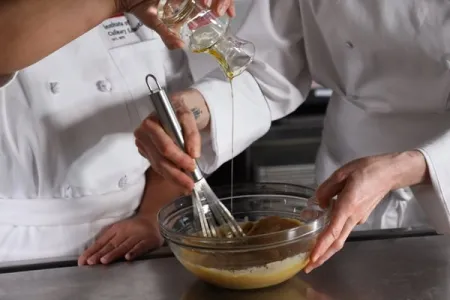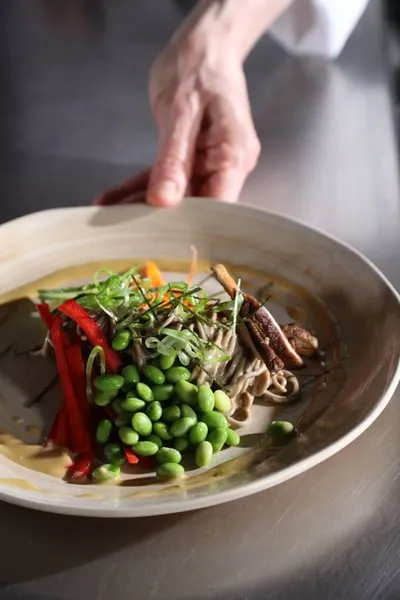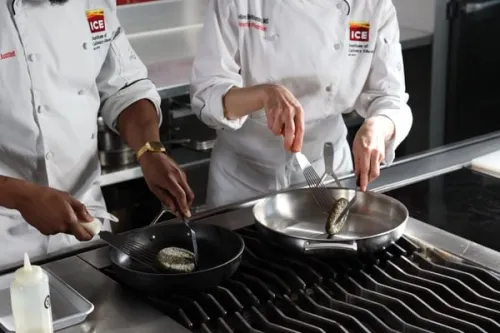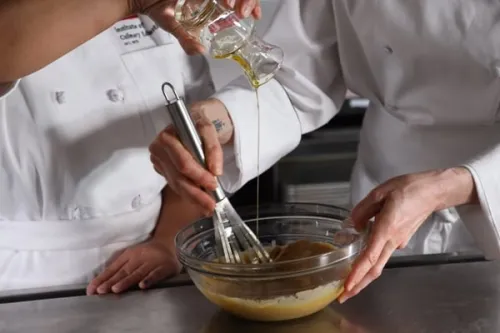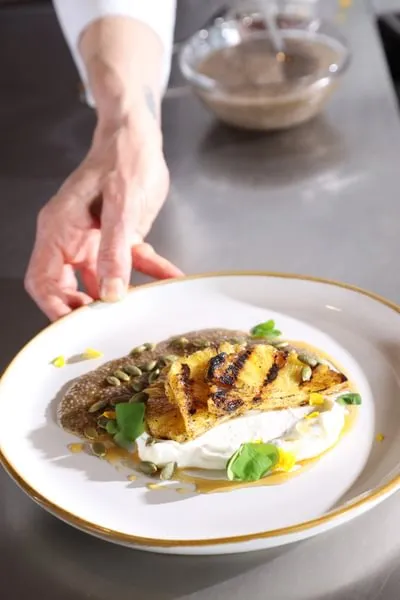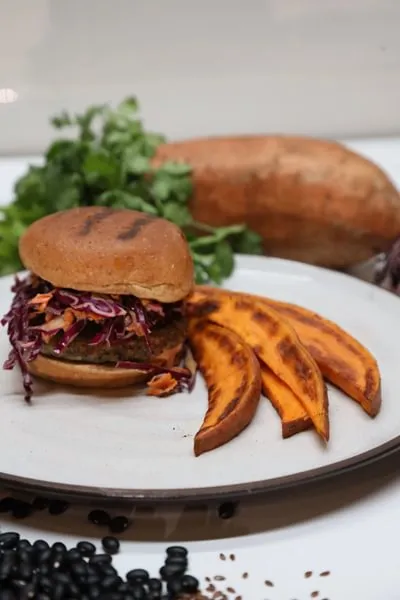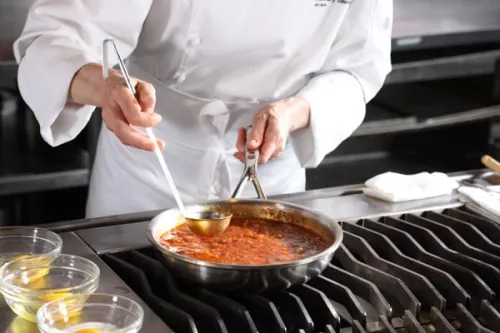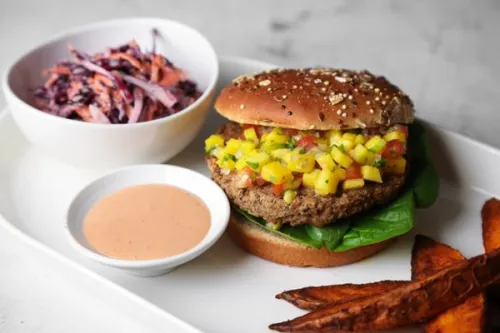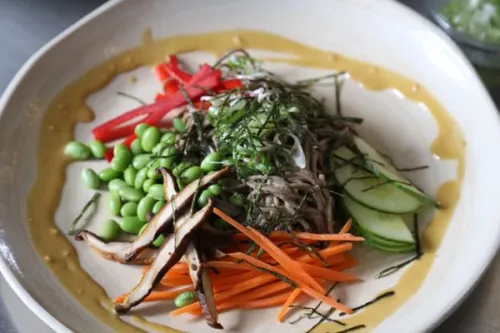
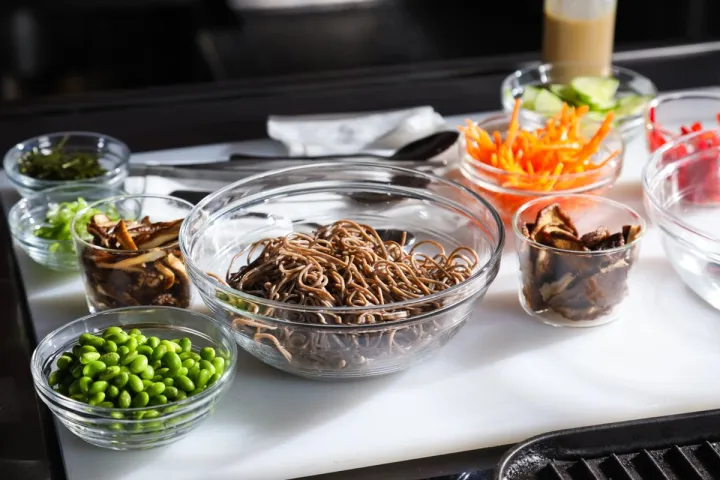
mis en placed ingredients for a soba dish in ICE's Culinary Nutrition course

Culinary Nutrition

Dive into the science and craft of culinary nutrition with ICE's newest intensive certificate program

Intensive Course

Elevate your cooking with a course that combines culinary excellence and evidence-based nutrition! Through in-person lectures and hands-on cooking, students move beyond the basics to explore the science of nutrition.

Students learn how to: 

  • Apply nutrition principles to special diets 
  • Incorporate sustainability into ingredient sourcing
  • Explore marketplace trends, including minimally processed foods
  • Incorporate global flavors 

This course is ideal if you're looking to: 

  • Work in food research or product development
  • Offer dietary support and meal-planning services
  • Collaborate with dietitians in healthcare settings
  • Transform the way you cook

For registered dietitians and nutritionists, this course translates dietary guidance into practice, showing how nutrient-dense food can be both delicious and essential to life-long health.

Quick Facts

Course Name: Culinary Nutrition

Course Duration: 5 weeks

Class Times: afternoon

Get More Info


The Science of Nutrition

What’s really in your food? We’ll go beyond the basics to explore macronutrients, phytochemicals and nutrient synergy. In the process you’ll discover how to make nutrient dense meals. This course provides you with the tools and insight to translate dietary information into healthy eating patterns.  Through hands-on cooking assignments and collaborative projects in ICE’s state-of-the-art kitchens students apply proven science to make food choices that are thoughtful, delicious and nourishing.
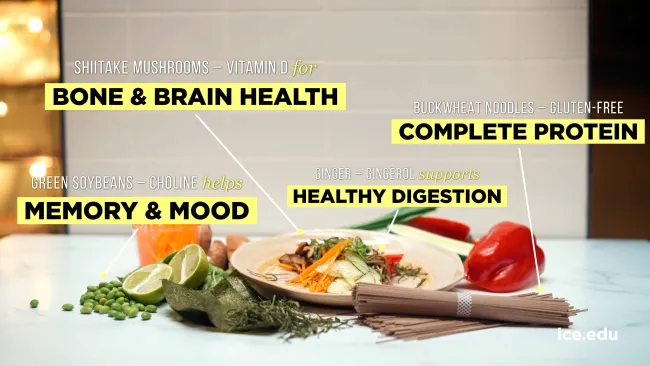
an annotated photo of a soba noodle dish from ICE's culinary nutrition course showing the health benefits of each ingreident

Balanced Menus and Special Diets

Discover balanced nutrition and cultivate your unique cooking style. Sharpen your edge with culinary craft and nutrition science. Whether your food choices are allergen-free, vegan, vegetarian, pescatarian, or you have a specific dietary goal, you can make your meals healthy, balanced and delicious. Build confidence in your ability to plan and prepare satisfying, health-promoting dishes that meet a wide variety of tastes and trends. 

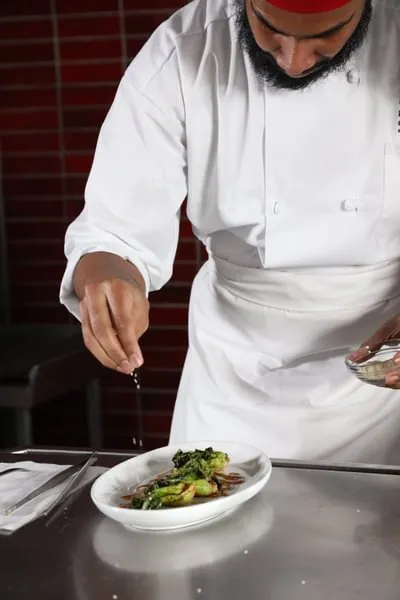
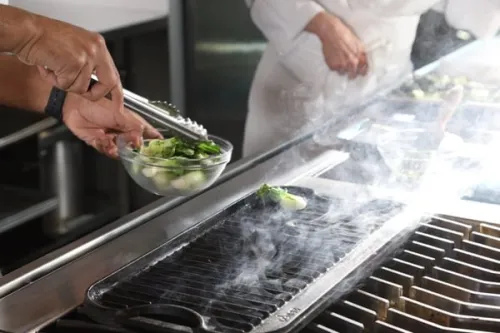
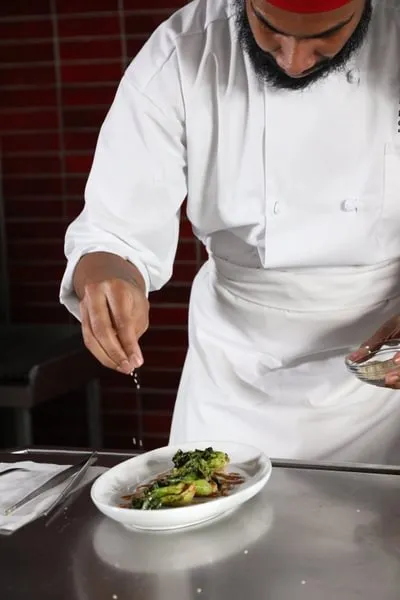
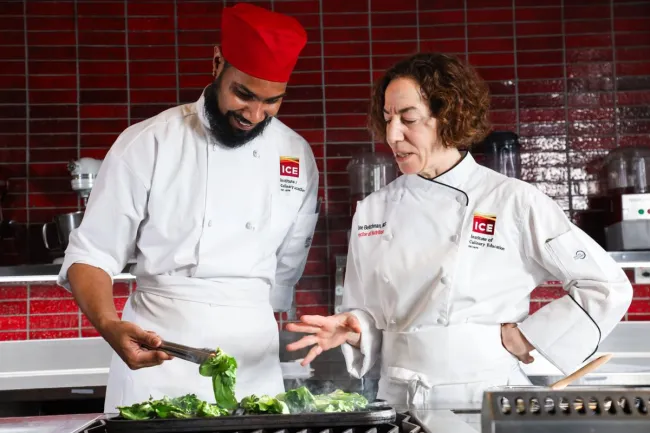
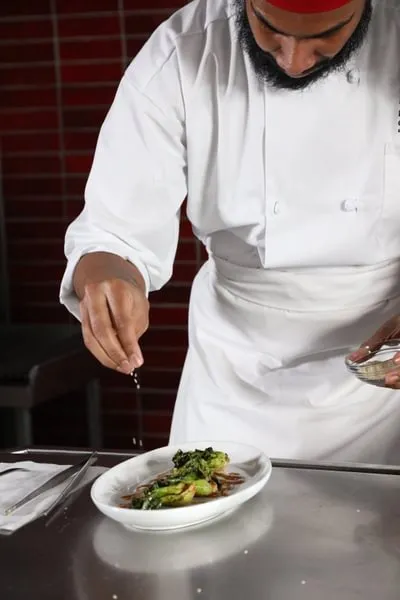
A student practices grilling bok choy while his instructor looks on

Get the Whole Story About Whole Foods

Before food reaches your plate it passes through a complex system of growing, processing, transport and storage. Throughout the course, students explore the principles of econutrition that underscore how food, nutrition and the environment intersect. Topics include sustainable food systems, aquaculture, and practical approaches to farm-to-table cooking using responsibly sourced whole foods. 

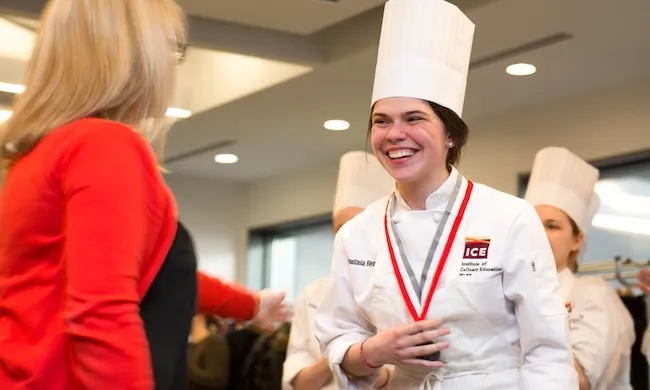
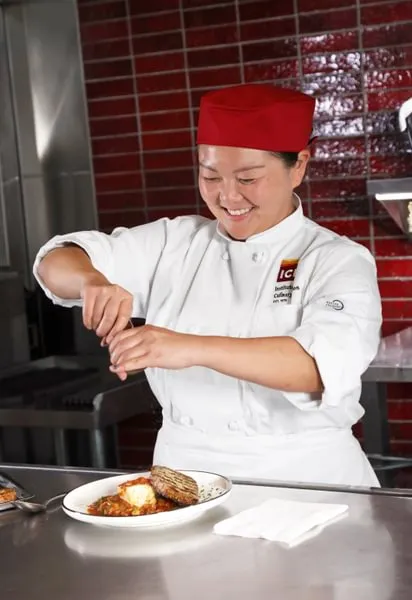
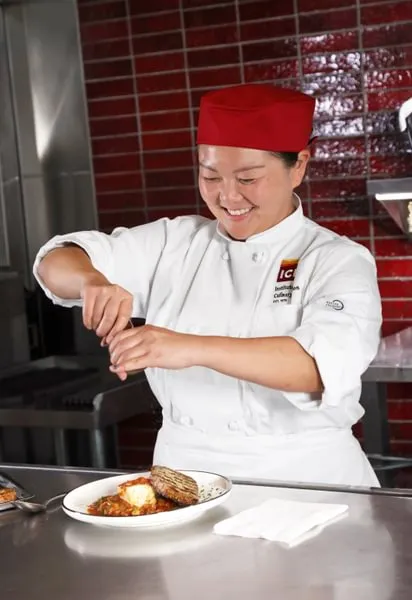
An Institute of Culinary Education graduate in chef whites smiles as she shakes the had of an instructor

Go Further

While a nutrition education is invaluable when it comes to cooking for wellness, getting professional training from ICE's Diploma or Degree programs can help you build a successful culinary career. Our fast-paced yet comprehensive Health-Centered Culinary ArtsCulinary ArtsPastry & Baking Arts and Restaurant & Culinary Mangement programs help students build core skills for diverse culinary and hospitality paths. Pairing these with the Culinary Nutrition course deepens expertise and can broaden opportunities in the culinary industry.

Grow Your Skills In One of America's Culinary Capitals

Where you get your education matters. We believe there’s no better way to learn about food and nutrition than hands-on experience. Study in New York City or Los Angeles—two of America’s culinary capitals—and learn along Chef-Instructors and fellow students who share your passion for food and creativity.

Take your food-based nutrition knowledge to the next level in ICE’s Culinary Nutrition course. To secure your spot, contact an Admissions Representative by emailing [email protected] or call (888)354-CHEF.

Click to Open

NEW YORK: Afternoon (5 weeks)

  • Hours: Tuesday and Thursdays, 1:00 p.m. - 5:00 p.m.
  • Start Dates: August 11
Click to Open

LOS ANGELES: Afternoon (TBD)

  • Hours: TBD
  • Start Dates: TBD

Take the Next Step Towards a Culinary Career

The admissions process is the start of a lasting relationship with ICE. Your Admissions Representative will introduce you to the personal experience our school is known for. Their mission is to understand your career goals and help you select the right program(s) to fit your needs and your interests.

Why Choose Us?

You know it's in you — the ambition to pursue a rewarding career in food & beverage. ICE is ready to help you Find Your Culinary Voice and achieve your career dreams.

10 Reasons To Study Here

International Students

Like the cities our campuses inhabit, ICE is a hub of multiculturalism. We’re proud to have had students from 44+ countries choose ICE for their career training and we celebrate the unique perspective an international student body provides. International students have the opportunity to gain knowledge and hands-on experience in America’s major food cities, by attending our New York City or Los Angeles campuses. It’s no wonder students come from around the world to Find Their Culinary Voice at ICE.

Resources:

Ready to take your interest in ICE further? Speak to an admissions representative about your personal goals, start your application or download our career brochure so you can access our program information anytime.

Request Information

Apply Today

LA Career Brochure

NY Career Brochure


This intensive 39-clock hour course unpacks the field of culinary nutrition across a wide range of diets and global cuisines. Designed by ICE’s Director of Nutrition.

Students receive a certificate of completion upon successfully satisfying course objectives.  The purpose of this course is to enrich the nutritional knowledge of food professionals. The certificate does not qualify the certificate holders to dispense medical nutrition therapy (MNT) or provide other nutritional counseling services.

Course 1

FOOD BASED NUTRITION

4 hours

Learn what broadly makes up a healthy diet and how to translate that to the professional kitchen.  From this point of view, we will consider prevailing dietary guidelines and eating patterns, and ingredient selection. This lesson will include a review of food-based nutrients and their impact on health and wellbeing. Team projects are assigned.
Students will be taught:

  • How to work in the professional kitchen
  • How to prepare recipes using seasonal ingredients
  • Recipe pre-work, including making vegetable stock
Course 2

BALANCED NUTRITION WITHOUT ANIMAL FOODS

4 hours

Explore the health benefits of vegan eating patterns.  From this point of view, we focus on nutrient-dense plant-based ingredients to produce a delicious and artfully presented vegan meal. This lesson includes a discussion of standard portions and serving sizes, meeting daily nutrient values, and nutrients of concern.

Students will be taught:

  • How to create a balanced completely plant-based meal
  • How to prepare whole-grains, sea vegetables, and dark leafy greens
  • How to develop unique health-promoting recipes
Course 3

BALANCED VEGETARIAN EATING

4 hours

Explore the health benefits of vegetarian eating patterns that include eggs.  In this lesson students will learn the guidelines for building healthy vegetarian menus. From this perspective we will consider the health benefits of vegetarian diets with a focus on high-quality protein, whole grains, legumes and minimally processed ingredients.

Students will be taught:

  • How to design a balanced ovo-vegetarian meal
  • How to prepare buckwheat soba and soy-marinated eggs
  • How to develop unique health promoting protein-packed menus
Course 4

BALANCED PESCATARIAN EATING

4 hours

Explore the health benefits of a plant-forward pescatarian diet with a flexitarian approach.  Compare the nutritional value and benefits of eating fish, including meeting dietary guidelines for Vitamin D, iodine, and omega-3 fat intake.  Students will learn how to identify, select, and prepare sustainable seafood and understand how aquaculture and the natural environment influences the nutritional value of food.

Students will be taught:

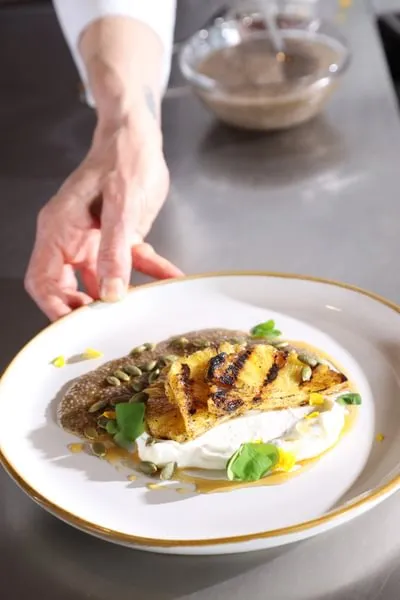
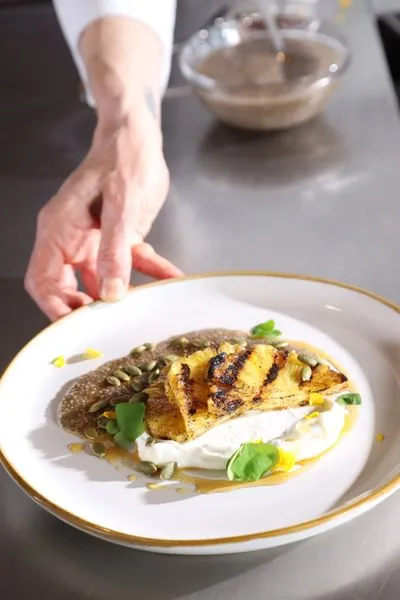
  • How to prepare Omega-3 fish tacos and grilled pineapple with chia gel
  • How to portion and plate a health-promoting multi-course meal
  • How to modify recipes, portions, and serving sizes
Course 5

BALANCED EATING FOR GUT HEALTH

4 hours

Explore dietary patterns that support gut health.  In this lesson students will learn about the role of prebiotics, probiotics, and polyphenols in long-term health, including digestion and general well-being. Students will learn how to identify and describe the flavor profiles and uses of a variety of raw and cooked fermented foods, including cultured dairy products.  
Students will be taught:

  • How to prepare a gut-friendly meal with easy ingredient swaps
  • How to prepare lacto-fermented vegetables, including dill pickles
  • Strategies for modifying seasonal recipes
Course 6

INTRODUCTION TO APPLIED CULINARY NUTRITION

4 hours

In this lesson we explore balanced meals with a goal-oriented approach.  Students will learn how to create recipes and menus that meet specific macronutrient recommendations, including protein from a variety of sources.  This lesson introduces students to an assortment of web-based nutrient analysis tools suitable for beginners. 

Students will be taught:

  • How to translate specific nutrient needs into appealing recipes
  • Pre-work, including batch-cooking sauces and side dishes
  • Strategies for planning and organizing recipe production
Course 7

APPLIED CARBOHYDRATES- FOCUS ON FIBER

4 hours

Explore the benefits of complex carbohydrates, resistant starch, and the importance of meeting daily fiber recommendations with food. This lesson includes a review of the types and food sources of fiber for long-term health.  In this lesson students will examine fiber’s effects on digestion, blood sugar, energy, and mood.

Students will be taught:

  • How to prepare vegetable curry, baked whole grains and leafy greens
  • How to understand and compare the daily value of fiber-rich meals
  • Ways to adjust recipes and menus to modify fiber
Course 8

CULINARY NUTRITION FOR SPECIAL DIETS- FOOD INTOLERANCES

4 hours

Through the lens of gluten-sensitivity and lactose intolerance students will learn how to produce healthy, balanced meals when specific foods must be avoided.  This lesson includes a review of common food allergies and intolerances. Students will learn how to customize recipes and tailor menus for restricted diets.

Students will be taught:

  • How to prepare lactose-free ricotta cheese from scratch
  • How to prepare and use gluten-free grains and seeds
  • How to develop nutrient-dense gluten-free and lactose-free menus
Course 9

CULINARY NUTRITION FOR SPECIAL DIETS- HEART HEALTH

4 hours

In this lesson we will explore culinary nutrition for heart health, with a special focus on high blood pressure. This lesson includes an overview of dietary patterns and functional foods for long-term cardiovascular health.  In this lesson, students will learn how to develop flavorful lower sodium recipes with taste in mind.

Students will be taught:

  • How to prepare shiitake mushroom bacon
  • How to prepare a two-course heart-healthy meal that includes dessert
  • How to organize and present final team projects for tasting and review
Course 10

COMMUNICATING HEALTH

3 hours

In this final lesson we explore food and health trends in the marketplace.  We will discuss effective ways to communicate and promote a healthful recipe, menu, or food program to consumers.  Students will learn how to compare nutrient claims and identify ways of flagging healthful menu items.  Student teams prepare and present their final seasonal food projects.

Students will be taught:

  • How to describe healthful menu items
  • How to identify credible sources of information about food and health
  • How to prepare and present seasonal recipe team projects